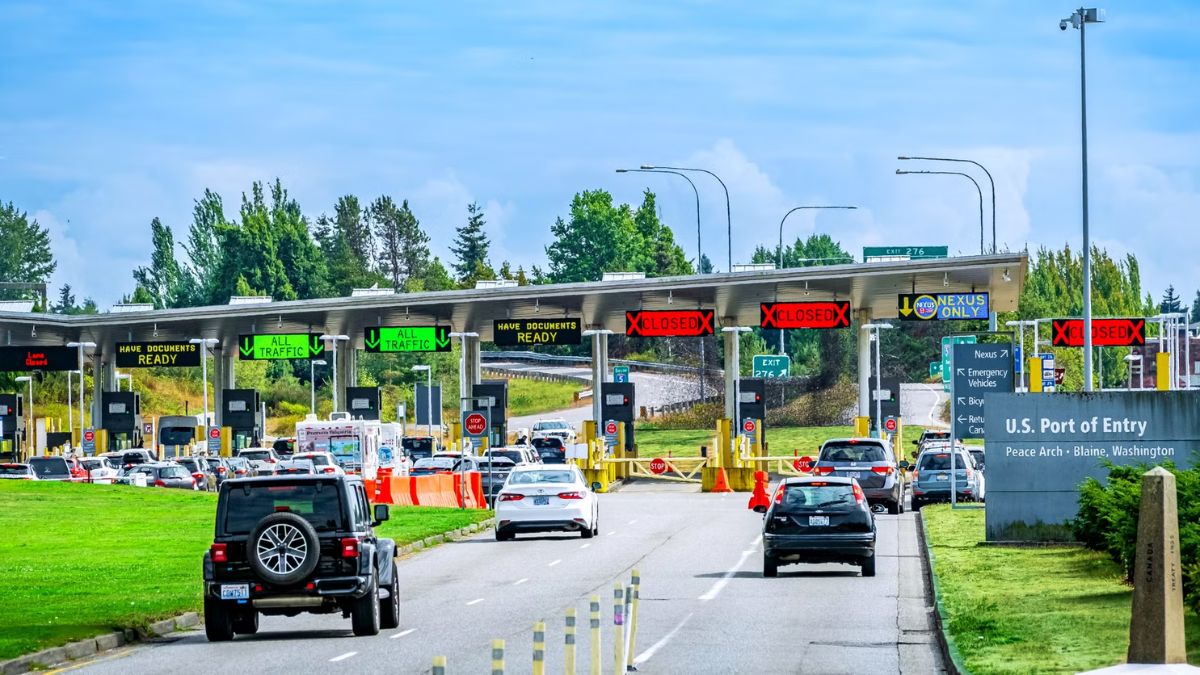
Canada’s ongoing travel boycott of the United States—initiated in early 2025—has significantly impacted cross-border tourism, costing the U.S. billions in lost revenue. The decline is largely linked to President Donald Trump’s strict immigration stance, trade disputes, and controversial political messaging.
However, nearly a year later, new data reveals a notable shift: more Americans are traveling to Canada, marking the first year-over-year increase in U.S. visits in 12 months, even as Canadians continue reducing trips south of the border.
Rising American Travel To Canada In 2026

According to the latest figures released by Statistics Canada on March 10, 2026, international arrivals data shows a clear rebound in U.S. tourism. In February 2026, nearly 960,000 trips by U.S. residents were recorded, representing a 6.1% increase compared to the same period last year.
This rise is particularly significant because it follows 12 consecutive months of decline, signaling a possible turning point in travel patterns.
Breakdown Of U.S. Travel To Canada
- 720,400 trips by car (+6.4%)
- 239,200 trips by air (+4.9%)
Both land and air travel contributed to the increase, reflecting steady interest among Americans in visiting Canada.
Previous Trends And Long-Term Data Insights

Looking back, U.S. travel to Canada showed mixed performance. In August 2025, American visits reached 3.2 million trips, a strong figure historically recorded only a few times over the past two decades.
Despite this, there was still a 1.4% decline compared to August 2024, indicating a broader downward trend throughout much of 2025.
However, the recent increase in February 2026 suggests that American travel demand to Canada remains resilient and may now be stabilizing.
Canadians Continue To Reduce Travel To The U.S.

While American tourism to Canada is rebounding, Canadian travel to the United States continues to decline sharply.
Key Statistics For February 2026
- Total Canadian return trips from the U.S.: approximately 1.5 million
- Overall decline: 14.5% year-over-year
- Air travel drop: 17.6%
- Land travel decrease: 12.9%
In comparison, Canadians made over 2.1 million trips to the U.S. in 2024, highlighting how significantly travel patterns have shifted since 2025.
Factors Driving The Canadian Travel Boycott
Several political and economic factors have contributed to Canadians’ reluctance to visit the United States:
- Controversial remarks suggesting Canada could become the 51st U.S. state
- Ongoing trade tensions and tariff disputes
- Stricter immigration policies
- Increased fees and policy changes at tourist sites such as Glacier National Park
These developments have influenced public sentiment, leading many Canadians to avoid U.S. travel altogether.
Interestingly, while avoiding the U.S., Canadians are still traveling abroad, with trips to other international destinations rising by 7.2% year-over-year, particularly to Europe, Asia, and the Caribbean.
Economic And Travel Implications For Both Countries
The divergence in travel behavior is creating distinct impacts for both Canada and the United States.
For American Travelers
- A strong U.S. dollar makes Canada more affordable
- Increased value for spending on hotels, dining, and entertainment
- Greater incentives from airlines and tourism providers offering competitive deals
Canada remains an attractive and convenient destination due to its proximity and accessibility.
For Canadian Travelers
- Continued hesitation toward U.S. travel due to political concerns
- Potential increase in domestic tourism spending
- Possible fluctuations in travel costs due to reduced demand
This shift may also benefit Canada’s local tourism sector as more residents explore destinations within their own country.
A Complex Yet Connected Relationship
Despite current tensions, Canada and the United States share deep cultural and economic ties shaped by:
- Geographic proximity
- Shared history
- Similar language and lifestyle patterns
At the same time, differences in political systems, national identity, and social values continue to influence travel behaviors.
The latest data from Statistics Canada highlights a significant shift in cross-border travel dynamics. While Canadians maintain their travel boycott of the United States—resulting in a sharp decline in visits—Americans are increasingly choosing Canada as a preferred destination.
This emerging imbalance reflects broader political and economic influences shaping tourism trends. If current patterns continue, they could redefine travel flows between the two nations, potentially strengthening Canada’s tourism sector while prolonging challenges for the U.S. market.