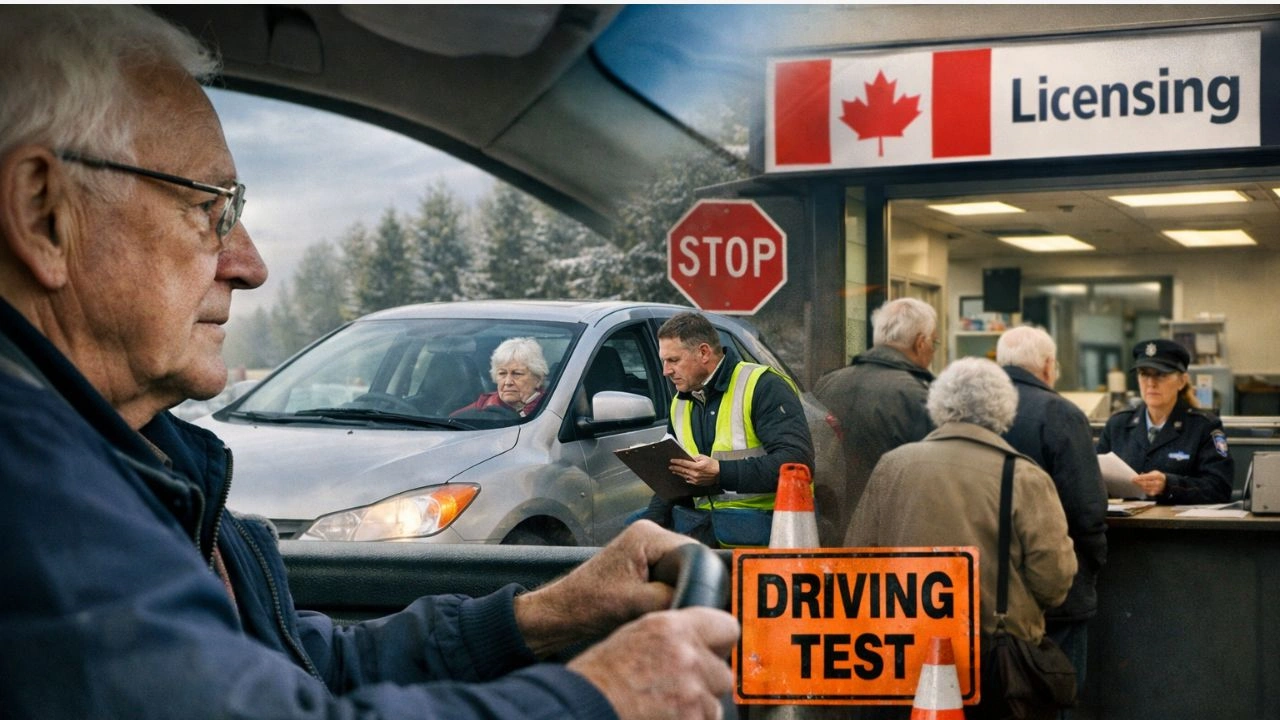
Beginning in February 2026, drivers aged 70 and older across Canada will encounter stricter licence renewal requirements as part of updated road safety policies. These new rules aim to ensure that senior motorists remain capable of driving safely while maintaining their independence. With an aging population and increasing traffic density, authorities are introducing additional checks and compliance standards for older drivers.
The tougher licence requirements for drivers aged 70+ in Canada starting February 2026 will involve enhanced medical reviews, more frequent renewals, and possible driving assessments. Understanding these changes will help senior drivers and their families prepare for the updated process and avoid disruptions to driving privileges.
Why New Licence Requirements Are Being Introduced
Rising number of senior drivers
Canada’s senior population continues to grow, and many individuals remain active drivers well into their later years. While older drivers often have extensive experience, age-related changes can affect reaction time, vision, and physical mobility. The new rules for drivers aged 70+ in Canada starting February 2026 are intended to address these factors.
Authorities are not targeting seniors unfairly but are aiming to ensure consistent safety standards for all motorists. Regular evaluations help identify potential risks before they lead to accidents.
Focus on road safety
Traffic safety agencies emphasize prevention as a key strategy for reducing collisions. By implementing tougher licence requirements for drivers aged 70 and above, policymakers hope to reduce accidents related to medical or cognitive limitations.
These updated measures are part of broader road safety initiatives designed to protect drivers, passengers, and pedestrians.
Key Changes for Drivers Aged 70+ Starting February 2026
Mandatory medical evaluations
From February 2026, many senior drivers will need to complete medical examinations before renewing their licences. These assessments will typically review:
- Vision and eye health
- Hearing ability
- Cognitive function
- Physical mobility
- Reaction time
Healthcare providers may need to certify that a driver is medically fit to operate a vehicle safely.
Shorter licence renewal periods
Previously, licences could often be renewed for longer periods. Under the tougher licence requirements for drivers aged 70+ in Canada starting February 2026, renewal intervals may be reduced. Some drivers may need to renew every two or three years instead of longer cycles.
Frequent renewals allow authorities to monitor changes in health and driving ability more closely.
Possible driving assessments
In certain cases, drivers may be asked to complete a knowledge test or on-road driving assessment. These evaluations are designed to confirm that seniors remain comfortable with current traffic rules and road conditions.
Table of Updated Requirements for Senior Drivers
| Requirement | Before February 2026 | From February 2026 |
|---|---|---|
| Licence renewal period | Longer intervals | Shorter renewal cycles |
| Medical evaluation | Occasional | More frequent checks |
| Vision testing | Basic screening | Detailed assessment |
| Driving test | Rare | Possible for some drivers |
| Compliance monitoring | Limited | Enhanced oversight |
This table highlights how the tougher licence requirements for drivers aged 70+ in Canada starting February 2026 will differ from previous procedures.
Who Will Be Affected by the New Rules
Drivers aged 70 and above
All drivers aged 70 and older approaching licence renewal dates after February 2026 will likely be subject to the updated requirements. The exact procedures may vary slightly by province but will generally follow similar guidelines.
Drivers with medical conditions
Seniors with certain health conditions that could impact driving may face additional assessments. This includes conditions affecting vision, memory, or physical coordination.
New senior drivers
Individuals turning 70 after February 2026 will automatically enter the updated licensing system and should prepare accordingly.
Benefits of the Updated Licence Requirements
Safer roads for everyone
The primary goal of the new rules is to enhance safety. Regular evaluations help ensure that drivers maintain the physical and mental abilities needed for safe driving. This reduces the risk of accidents and improves overall traffic safety.
Confidence for families
Family members often worry about the safety of older relatives on the road. Clear standards and regular assessments provide reassurance that senior drivers are being evaluated fairly and thoroughly.
Continued independence
Rather than removing licences automatically, the updated system allows capable seniors to continue driving. By confirming fitness through medical and driving evaluations, many seniors can maintain their independence.
Challenges and Concerns for Senior Drivers
Additional steps in renewal process
Some drivers may find the new procedures more complex. Scheduling medical appointments and completing documentation can require extra time and effort.
Potential costs
Medical examinations or assessments may involve fees depending on healthcare coverage. Seniors should plan for possible expenses associated with compliance.
Anxiety about testing
The possibility of driving tests or medical reviews may cause concern for some seniors. However, these evaluations are intended to support safe driving rather than penalize drivers.
How Seniors Can Prepare
Maintain regular health checkups
Routine medical visits can help identify and manage conditions that might affect driving. Maintaining good health makes it easier to meet licence renewal requirements.
Refresh driving knowledge
Taking refresher courses or reviewing traffic rules can improve confidence and readiness for possible assessments. Many community organizations offer driver education programs for seniors.
Stay organized
Keeping personal documents, medical records, and renewal notices organized will simplify the renewal process under the new rules.
Role of Families and Communities
Supporting senior drivers
Family members can help seniors understand the updated requirements and prepare for medical or driving evaluations. Open communication about safety and independence is essential.
Alternative transportation options
If a senior driver no longer meets the requirements, alternative transportation solutions can help maintain mobility. Public transit, ride-sharing services, and community transport programs provide valuable support.
Provincial differences in implementation
While the tougher licence requirements for drivers aged 70+ in Canada starting February 2026 will apply broadly, specific procedures may vary by province. Each provincial licensing authority sets its own renewal schedules and testing standards.
Drivers should consult local licensing offices for detailed information about requirements in their region.
Long-term impact on road safety
The introduction of stricter licence requirements for senior drivers reflects a proactive approach to road safety. As populations age and vehicles become more advanced, ongoing evaluation ensures that all drivers remain capable of handling modern traffic conditions.
These measures are expected to reduce accident rates and improve confidence among all road users.
Conclusion
The tougher licence requirements for drivers aged 70+ in Canada starting February 2026 represent a significant shift in licensing policies. By introducing more frequent renewals, mandatory medical evaluations, and possible driving assessments, authorities aim to enhance safety while preserving independence for capable senior drivers.
Preparing early, staying informed, and maintaining good health will help seniors navigate the updated system smoothly. With proper planning and support, older drivers can continue to enjoy the freedom of driving while meeting the new standards designed to keep Canada’s roads safe for everyone.
FAQ
1. When will the new licence rules for drivers aged 70+ begin in Canada?
The tougher licence requirements for drivers aged 70 and older will start in February 2026 and apply during licence renewals.
2. Will all drivers over 70 need medical checks?
Most senior drivers will need regular medical or vision assessments to confirm they are fit to drive safely before renewing their licences.
3. Will seniors automatically lose their licences under the new rules?
No. Seniors who meet the medical and driving standards can continue driving. The new rules focus on safety checks, not automatic licence removal.