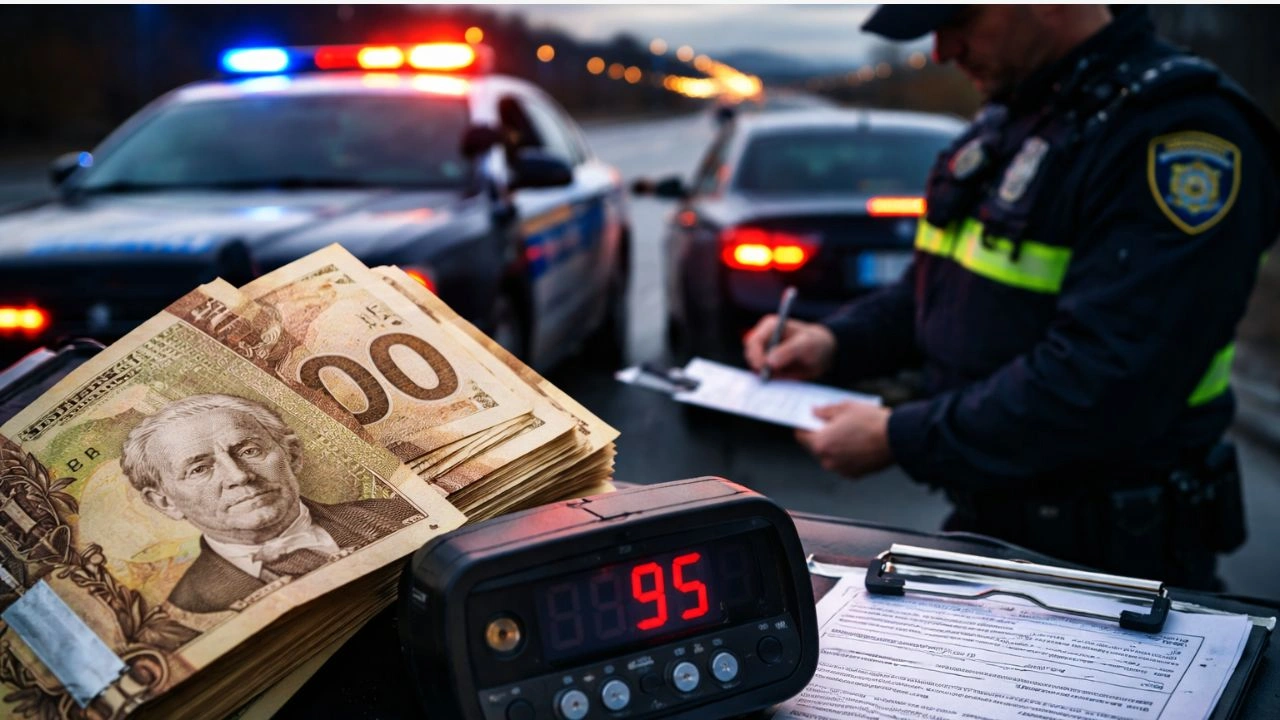
Beginning February 27, 2026, major changes to traffic enforcement will take effect as speeding penalties are set to increase significantly, with fines reaching up to $1,900 for serious violations. This substantial rise in penalties reflects a renewed focus on road safety and stricter enforcement measures aimed at reducing dangerous driving behavior. Drivers across the country must prepare for the financial and legal implications of this updated regulation.
The increase in speeding penalties to $1,900 from February 27, 2026 is expected to influence driver behavior, insurance rates, and traffic enforcement practices. Understanding the details behind these new rules will help motorists stay compliant and avoid costly consequences.
Why Speeding Penalties Are Increasing in 2026
Focus on road safety improvements
Authorities have identified speeding as one of the leading causes of road accidents and fatalities. Higher penalties are being introduced to discourage drivers from exceeding speed limits and to promote responsible driving habits. By raising fines significantly, regulators aim to create a strong deterrent against reckless driving.
The new rule that sets speeding penalties to increase to $1,900 from February 27, 2026 is part of a broader initiative to enhance public safety and reduce collision rates.
Addressing repeat offenses
Many drivers continue to commit repeat speeding violations despite existing fines. Increased penalties are designed to address this issue by making the consequences more serious for habitual offenders. Stronger enforcement and higher fines are expected to reduce repeated infractions and improve compliance with speed regulations.
Aligning with modern traffic conditions
Traffic density, vehicle performance, and road infrastructure have changed over the years. Updated penalty structures reflect these changes and aim to maintain safe driving conditions in both urban and highway environments.
New Speeding Penalty Structure Explained
Maximum fine of $1,900
Under the revised regulation effective February 27, 2026, the maximum fine for severe speeding violations can reach $1,900. The exact amount will depend on factors such as:
- Speed above the legal limit
- Type of road or zone
- Driver’s violation history
- Risk level created by the offense
This increased maximum fine highlights the seriousness of excessive speeding.
Graduated penalty system
Not all speeding violations will result in the maximum fine. A graduated system will apply, meaning penalties will vary depending on the severity of the offense. Minor infractions may still carry lower fines, while major violations could trigger the full penalty amount.
Table of Estimated Speeding Penalties
| Speed Over Limit | Estimated Fine Before 2026 | Estimated Fine After Feb 27, 2026 |
|---|---|---|
| 1–15 km/h | $50–$150 | $150–$300 |
| 16–30 km/h | $150–$400 | $400–$900 |
| 31–50 km/h | $400–$800 | $900–$1,500 |
| Over 50 km/h | $800–$1,200 | Up to $1,900 |
| School/Construction Zones | Higher penalties | Maximum fines possible |
This table demonstrates how speeding penalties set to increase to $1,900 from February 27, 2026 will affect different levels of violations.
Additional Consequences Beyond Fines
Demerit points
In addition to higher fines, drivers may receive demerit points on their licences. Accumulating too many points can result in licence suspension or mandatory driving courses. The number of points assigned will depend on the severity of the speeding offense.
Increased insurance premiums
Insurance companies often review driving records when determining premiums. A major speeding violation with a $1,900 fine could lead to significant increases in insurance costs. Repeat offenses may result in even higher rates or policy cancellation.
Possible licence suspension
For extreme speeding or repeated violations, authorities may suspend a driver’s licence. This measure is intended to prevent dangerous drivers from posing a risk on public roads.
Who Will Be Most Affected by the New Penalties
Daily commuters
Individuals who drive frequently for work or personal reasons will need to be particularly cautious. Even occasional speeding can lead to substantial fines under the new rules.
Young drivers
Younger drivers often face higher insurance premiums and stricter monitoring. A speeding ticket under the updated penalty system could have long-term financial consequences.
Commercial drivers
Drivers operating commercial vehicles must maintain clean driving records. Higher speeding penalties could impact employment and professional licensing.
How Enforcement Will Change
Increased use of speed cameras
Authorities are expected to expand the use of automated speed cameras and monitoring systems. These technologies can detect violations accurately and issue fines without direct police interaction.
More roadside checks
Law enforcement agencies may conduct additional roadside checks to ensure compliance with updated speed regulations. Visible enforcement acts as a deterrent and reinforces awareness of the new penalties.
Stricter monitoring in high-risk zones
School zones, construction areas, and residential neighborhoods will likely receive increased enforcement attention. Speeding in these areas may result in the highest fines.
Benefits of Higher Speeding Penalties
Reduced accident rates
Research suggests that higher fines and stricter enforcement can reduce speeding-related accidents. Drivers are more likely to obey speed limits when faced with significant financial consequences.
Improved public safety
Safer roads benefit all users, including pedestrians, cyclists, and motorists. Increased penalties encourage responsible driving and reduce the likelihood of serious collisions.
Greater accountability
The updated penalty system promotes accountability by ensuring that drivers who engage in risky behavior face appropriate consequences.
Tips to Avoid Speeding Penalties
Monitor speed regularly
Drivers should frequently check their speedometers and adjust their speed according to posted limits. Modern vehicles often include speed warning systems that can help maintain compliance.
Allow extra travel time
Rushing increases the likelihood of speeding. Planning journeys with extra time can reduce stress and encourage safer driving habits.
Use navigation tools
Many navigation apps provide real-time speed limit information and alerts. Utilizing these tools can help drivers avoid unintentional violations.
Economic and Social Impact
Increased revenue for safety programs
Funds collected from higher speeding fines may be allocated toward road safety initiatives, infrastructure improvements, and public awareness campaigns.
Influence on driving culture
The increase in speeding penalties to $1,900 from February 27, 2026 may shift driving culture toward greater caution and respect for traffic laws.
Potential financial strain
For some drivers, a large fine could create financial hardship. This reinforces the importance of adhering to speed limits to avoid costly penalties.
Preparing for the New Rules
Stay informed
Drivers should stay updated on local traffic regulations and enforcement practices. Understanding the new penalty structure helps avoid unexpected fines.
Maintain safe driving habits
Consistently following speed limits and traffic rules ensures compliance and reduces the risk of penalties.
Educate new drivers
Families and driving instructors should inform new drivers about the increased penalties to promote responsible behavior from the start.
Conclusion
The decision to increase speeding penalties to $1,900 from February 27, 2026 marks a significant shift in traffic enforcement. By introducing higher fines and stricter monitoring, authorities aim to reduce speeding-related accidents and enhance road safety.
Drivers must adapt to these new rules by practicing responsible driving and staying informed about updated regulations. While the increased penalties may seem severe, they serve as a powerful reminder of the importance of safe driving. Preparing in advance and maintaining awareness will help motorists avoid costly fines and contribute to safer roads for everyone.
FAQ
1. What is the maximum speeding fine starting February 27, 2026?
The highest penalty for serious speeding violations can reach up to $1,900 depending on how much the speed limit is exceeded.
2. Will insurance rates increase after a speeding ticket?
Yes. A major speeding violation can lead to higher insurance premiums, especially if the fine is large or repeated offenses occur.
3. How can drivers avoid these new speeding penalties?
Drivers can avoid fines by following speed limits, using navigation alerts, and allowing extra travel time to prevent rushing.