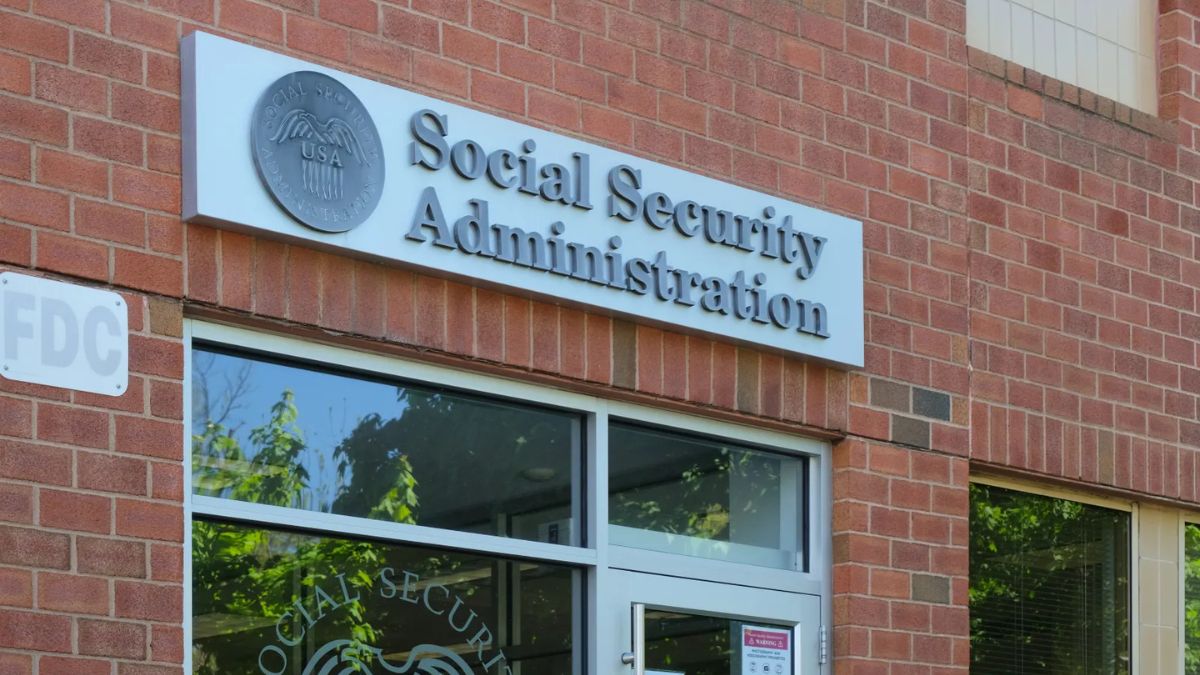
The Social Security Administration (SSA) has announced a significant operational shift aimed at improving efficiency and reducing delays in disability benefit processing.
The agency plans to bring certain disability determination tasks in-house, specifically moving medical continuing disability reviews (CDRs) under its direct control.
This move is part of a broader effort to streamline processes, enhance oversight, and improve service delivery for millions of Americans relying on disability benefits.
What Are Continuing Disability Reviews?
Continuing Disability Reviews (CDRs) are periodic evaluations conducted to determine whether individuals receiving disability benefits are still eligible.
These reviews ensure that benefits are only provided to those who continue to meet medical and non-medical eligibility criteria.
Traditionally, medical CDRs have been handled by Disability Determination Services (DDS) offices. These offices are funded by the federal government but operated at the state level.
Their role includes reviewing medical evidence and making determinations about ongoing eligibility.
SSA Brings Medical Reviews Under Direct Oversight
Under the new policy, the SSA will take over responsibility for medical CDRs through its own Disability Case Review office. By centralizing these reviews, the agency aims to create a more consistent and controlled process.
According to the SSA, aligning medical CDRs under its direct oversight ensures that all continuing disability reviews—both medical and non-medical—are fully managed by the agency. This shift is expected to improve accountability and streamline decision-making.
Non-medical CDRs, which involve administrative checks rather than medical evaluations, will continue to be handled by SSA field offices and processing centers.
State Offices to Focus on Initial Claims
With medical CDRs moving in-house, state-run DDS offices will be able to redirect their efforts toward handling initial disability claims and reconsideration cases. This reallocation of responsibilities is intended to speed up access to benefits for new applicants.
The SSA has emphasized that this change will help reduce backlogs in initial disability claims. Since mid-2024, the agency reports that these backlogs have already been reduced by approximately one-third.
By allowing DDS offices to concentrate on new applications, the SSA hopes to further accelerate processing times.
Addressing Staffing and Productivity Challenges
The decision to restructure disability review responsibilities comes amid ongoing staffing challenges. SSA employment has declined significantly in recent years, with the workforce shrinking by around 9,000 employees since the start of the Trump administration, bringing total staffing to approximately 50,000.
Additionally, a report from the SSA’s Office of Inspector General highlighted a decline in staffing levels within DDS offices between 2019 and 2023.
The loss of experienced examiners and key personnel contributed to reduced productivity and longer processing times.
By shifting certain responsibilities away from DDS offices, the SSA aims to alleviate pressure on these state agencies and improve overall efficiency.
Potential Impact on Beneficiaries
For individuals receiving disability benefits, the changes could lead to a more streamlined and consistent review process. Centralized oversight may reduce inconsistencies and delays associated with state-level variations.
For new applicants, the shift could mean faster decisions and quicker access to benefits. With DDS offices focusing more on initial claims, applicants may experience shorter wait times and improved service.
However, the SSA has not provided specific projections on how these changes will impact employment levels or processing times in the long term.
A Step Toward Modernizing Disability Processing
This move reflects a broader effort by the SSA to modernize its operations and adapt to evolving challenges. By bringing key functions in-house and optimizing resource allocation, the agency aims to improve service delivery while maintaining program integrity.
Centralization can also enhance data consistency, oversight, and accountability—key factors in managing a large and complex benefits system.
The SSA’s decision to bring medical continuing disability reviews in-house marks a significant shift in how disability benefits are managed in the United States.
By centralizing oversight and allowing state offices to focus on new claims, the agency aims to reduce backlogs, improve efficiency, and better serve beneficiaries.
While challenges such as staffing shortages remain, this restructuring represents a strategic step toward a more streamlined and responsive system.
As the changes take effect, their true impact on processing times and service quality will become clearer.